
How Old Does Your Lifestyle Make You?
Despite your chronological age or the number of years you have lived, you could be aging faster or slower depending on your lifestyle. A few different strategies for healthy aging may include regularly checking your blood pressure, cholesterol and blood sugar levels, while managing a healthy weight and exercise program which includes cardio and weight training. However, there may be a few other lifestyle markers which may make a difference in how quickly or slowly you age.
“How much fiber do you eat each day?”
That question caught me off guard when my doctor asked it following a colonoscopy earlier this year. During the procedure, he removed a couple of benign polyps and explained that, while noncancerous, their presence could increase my risk of developing colon cancer in the future.
His recommendation was straightforward: increase my fiber intake to 28 grams per day. Until that moment, I had never paid much attention to how much fiber I consumed. Like many people, I focused more on calories, protein, and sugar than on fiber. But that conversation made me realize that this often-overlooked nutrient plays a critical role in digestive health and may help reduce the risk of serious diseases.
That simple question sparked my journey to better understand fiber, my eating habits, and the connection between nutrition and long-term health.

If your goal is to reach at least 25 grams of fiber a day. Here's how you can do it.
1. High fiber cereal. Since most people eat cereal on a daily basis, make sure that the one you regularly eat has at least 5 grams of fiber per serving. Read the label to verify that the fiber is from whole grains and bran. On cold mornings, oatmeal is also a good choice, with 3 grams of fiber.
2. Nuts and seeds. It's easy to snack on these as part of a trail mix or on their own. Besides 3 grams of fiber, you'll be getting a good amount of protein and healthy fats.
3. Chia seeds. A 1-ounce serving of these seeds has 10 grams of fiber!
4. Avocado. A serving of one half an avocado will set you back 120 calories, but reward you with 5 grams of fiber.
5. Banana or Medium-sized Apple A humble banana a day will add 3 grams and an apple with skin will provide 4.4 grams of fiber to your total.
6. Vegetable salad. a simple salad consisting of half a cup of lettuce, half an unpeeled cucumber, medium tomato, one shredded carrot, and dressing, will provide 4-6 grams of fiber.
7. Cooked beans. These guys are a fiber powerhouse - 1 cup of lima beans is 13.2 grams and a ½ cup of lentils beans has about 7 grams of fiber. Add as a side to your breakfast omelet, lunchtime salad, or dinner protein.
8. A medium-sized pear 5.5 to 6 grams of fiber, making it one of the highest-fiber common fruits.
2. How many grams of added sugar in drinks and packaged foods do you get in one day?
If you answered less than 50 grams, then you are way off. Ideally, the target for added sugars is shown below:
The American Heart Association recommends:
Men: no more than 36 grams (9 teaspoons) of added sugar per day
Women: no more than 25 grams (6 teaspoons) of added sugar per day
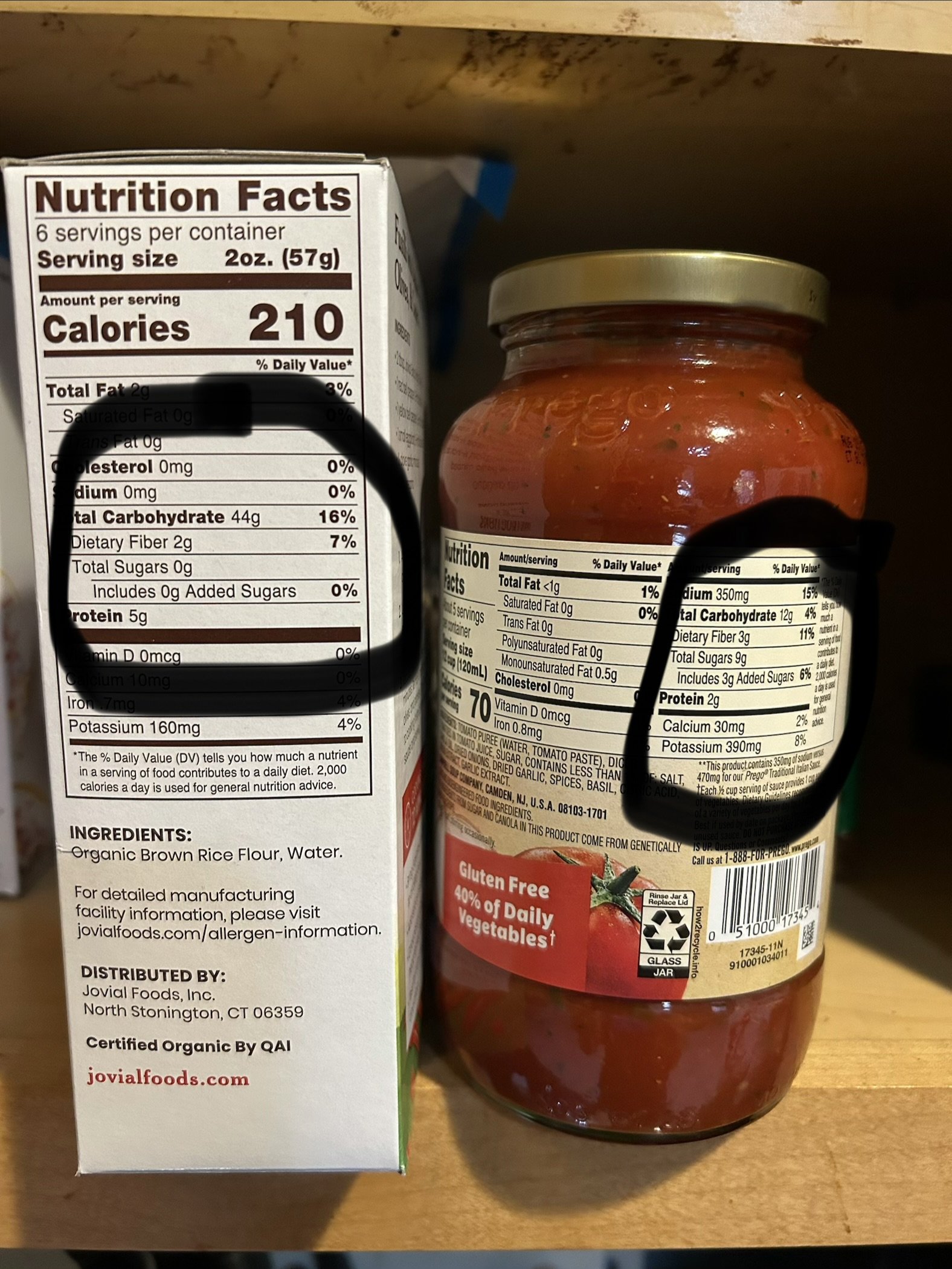
What Does That Look Like? Identifying added sugar means reading labels.
Manufacturers are required to include added-sugar grams on all Nutrition Facts Food labels. When reading food labels, look for the line "Includes X g Added Sugars" under Total Sugars. That number tells you how much sugar has been added to the product.
Common sources of added sugar include:
1. One 12-ounce soda: about 35–40 grams
2. Sweetened yogurt: 10–20 grams
3.Granola bars: 5–15 grams
4. Sweetened coffee drinks: 20–50+ grams
3. How fast do you walk?
How fast you walk can reveal a great deal about your overall health and physical fitness. In fact, studies have found that walking speed is associated with longevity, cardiovascular health, cognitive function, and independence as we age. Faster walkers generally tend to have better cardiovascular fitness, stronger muscles, and a lower risk of disability. Conversely, unusually slow walking speed has been linked to a higher risk of hospitalization, falls, and chronic disease.

You don't need special equipment to measure your walking speed. Simply time yourself walking a known distance at your normal pace. A healthy adult typically walks at about 3 to 4 miles per hour. While individual differences exist, maintaining a brisk, comfortable walking pace is often a sign of good overall health.
The good news is that walking speed can improve. Regular physical activity, strength training, balance exercises, and maintaining a healthy weight can all contribute to faster, more efficient movement. Even daily walks can help preserve mobility and independence as we grow older.
Walking speed may seem like a small detail, but it offers a window into how well the body is functioning. Along with good nutrition, adequate fiber intake, and limiting added sugars, keeping an eye on your walking pace can be another useful way to monitor your long-term health.